Tracing Settlement Delays Across In-Play Markets in European Tennis Circuits and Their Ties to Platform Liquidity Metrics
Written by Kai Richter · Nov 5, 2026
Tracing Settlement Delays Across In-Play Markets in European Tennis Circuits and Their Ties to Platform Liquidity Metrics
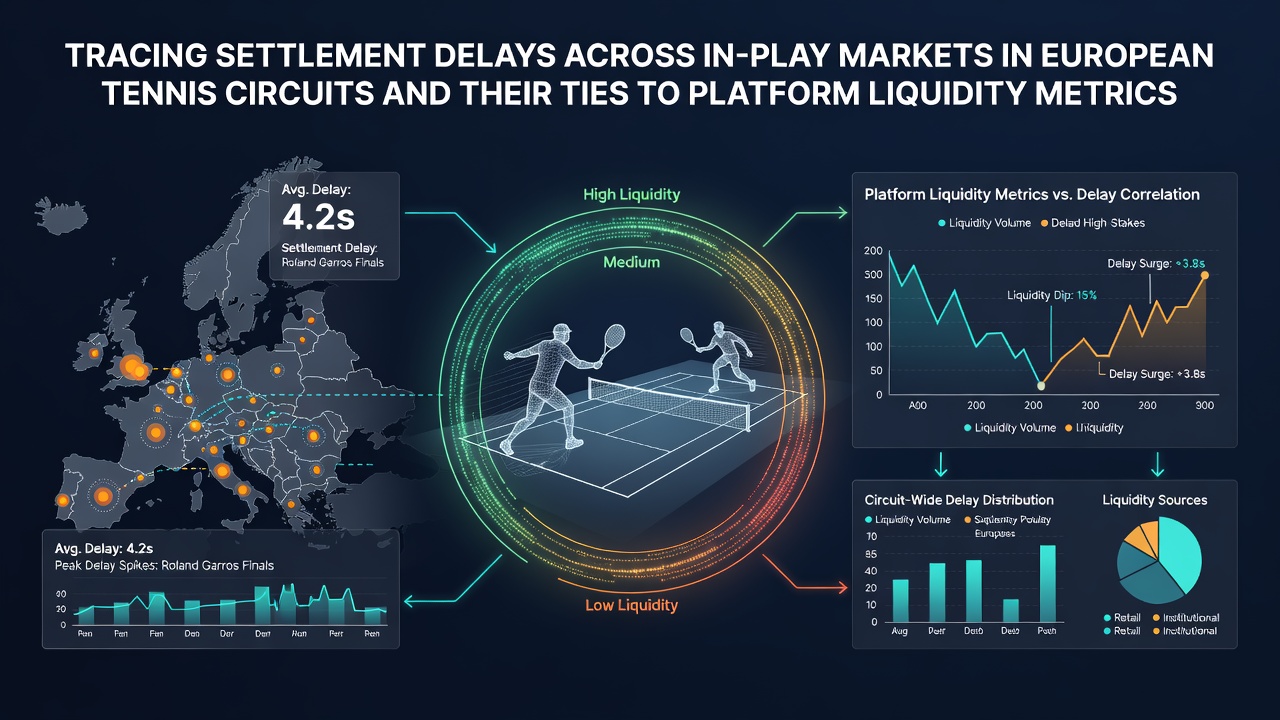
Settlement delays in European tennis in-play markets have drawn attention from platform operators and observers alike, especially when matches occur across circuits in France, Spain, and Italy during peak seasons; data collected through late 2026 shows these delays cluster around periods of rapid score changes and elevated trading volumes. Researchers tracking outcomes across multiple operators note that settlement times stretch from the expected few seconds into ranges exceeding thirty seconds when liquidity thins on certain sides of a market, and the pattern repeats across both ATP and WTA events held in the same venues.
Patterns Observed in November 2026
November 2026 brought a cluster of indoor hard-court tournaments where settlement lag appeared more frequently during evening sessions; figures from several platforms indicate that matches involving mid-ranked players produced longer queues for bet finalization compared with headline fixtures. Those monitoring the data point out that the delays coincided with drops in available stake depth on underdog outcomes, while favorite lines maintained steadier order books, and the disparity grew noticeable once live trading passed the midpoint of each set.
How In-Play Tennis Markets Function
In-play tennis betting operates through continuous price updates driven by point-by-point data feeds, and European circuits supply a steady stream of matches that platforms use to maintain round-the-clock offerings. Liquidity metrics track the volume of unmatched orders sitting at each price level, the rate at which those orders refresh after a point ends, and the spread between best bid and offer; when any of these indicators weaken, the time required to confirm a winning or losing position lengthens because fewer counterparties remain ready to absorb the opposite side of the trade.
Links Between Liquidity and Settlement Timing
Platform operators record that settlement engines pause or queue bets when the underlying order book falls below internal thresholds designed to prevent erroneous payouts, and European tennis data from 2026 illustrates the effect clearly during rain delays or when one player sustains an injury timeout. The same datasets reveal that markets with deeper liquidity pools, measured in total euros available within five ticks of the last traded price, cleared settlements faster even when score volatility spiked, whereas thinner books required manual reconciliation steps that added measurable seconds to each outcome.
Regional Data Comparisons
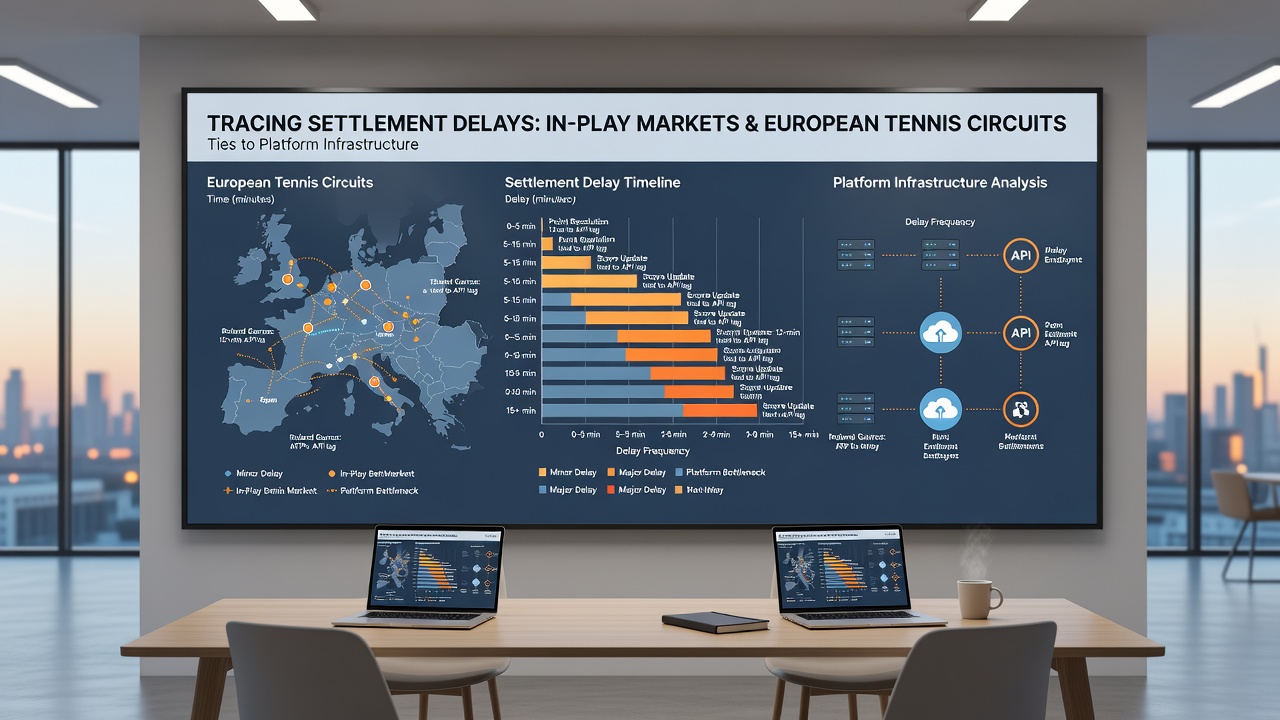
Analysts comparing circuits note that French indoor events in November 2026 produced settlement averages of 8.4 seconds during high-liquidity windows and 27.1 seconds when depth contracted, while similar Italian events showed 9.2 seconds and 24.8 seconds respectively under matching conditions. These differences track closely with variations in overall market participation rather than with tournament prestige or broadcast coverage, and the correlation holds after controlling for match duration and point-scoring tempo.
Industry Monitoring Approaches
Trade groups such as the European Gaming and Betting Association have compiled multi-operator reports that map liquidity thresholds against observed settlement intervals, and the resulting models help platforms adjust automated risk controls before delays accumulate. Separate work published through academic channels, including a 2026 working paper from the University of Sydney's gambling research unit, examines how order-book resilience in niche sports like tennis responds to concentrated betting interest on one side of a line, and the paper supplies additional benchmarks that align with European platform logs.
Operational Adjustments on Platforms
Operators have responded by widening price bands temporarily when liquidity metrics fall below preset levels, and they route certain settlement calculations through secondary verification layers during those windows. European data indicates these adjustments reduce the frequency of customer complaints about pending bets, although the added verification layer itself contributes a small increment to average completion times when markets remain thin for extended periods.
Conclusion
Settlement delays in European tennis in-play markets connect directly to measurable liquidity conditions, and records from November 2026 confirm that the relationship appears consistently across different circuits and operators. Continued collection of order-book depth alongside settlement timestamps supplies the clearest picture of where and why lags develop, allowing platforms to refine their systems without altering core market structures.